Sewage Cleanup for New River property owners
Sewage cleanup is one of the most urgent types of water damage because it can involve bacteria, viruses, organic waste, and other contaminants. A toilet overflow, drain backup, septic issue, main line blockage, or contaminated floodwater should be treated differently from a clean water leak. Direct contact should be avoided until the area is evaluated.
In a New River property, sewage can affect bathrooms, laundry rooms, tubs, showers, floor drains, garages, and adjacent rooms if water spreads under walls or flooring. Porous materials such as carpet, pad, drywall, insulation, and certain contents may not be safely restorable after contamination. The scope depends on the water source, the affected materials, and how long the sewage has been present.
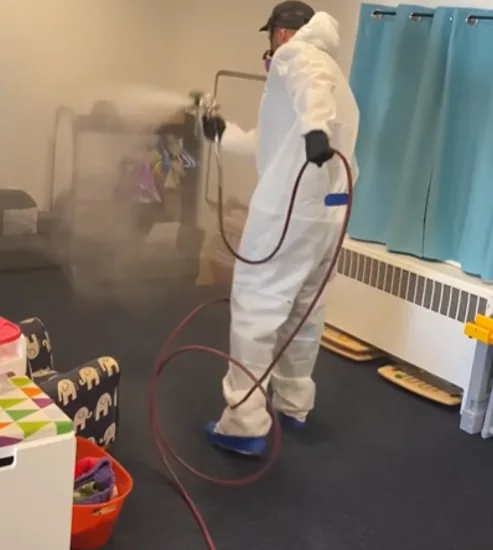
Sewage cleanup typically includes safety precautions, extraction, removal of contaminated materials, cleaning, disinfection, odor control, drying, and repair planning. Containment may be used to keep affected areas separated from clean spaces. Technicians may wear protective equipment and follow disposal procedures for contaminated debris.
Homeowners should not use household fans to blow air across sewage-affected areas because that can spread contaminants. Keep children, pets, and occupants away from affected rooms. If electrical systems or appliances are involved, do not enter standing water. Document the damage from a safe distance when possible and request help quickly.
If you need sewage cleanup in New River, call immediately or use the form to describe the backup, affected rooms, and whether contaminated water reached flooring, walls, or HVAC-adjacent areas. Fast cleanup helps reduce health risks, odor problems, and additional structural damage.
Why fast action matters
Water damage rarely stays limited to the original spot. Moisture follows seams, gravity, absorbent materials, and hidden cavities. Fast extraction, cleaning, and drying can help reduce demolition, limit odors, protect contents, and create a clearer path to repair.
Use the form below or call now if you need sewage cleanup in New River, AZ. Include your property type, the rooms affected, the water source, and any safety concerns so the request can be handled with the right urgency.
Sewage cleanup requires a contamination-focused response
Sewage cleanup is different from ordinary water cleanup because the water may contain bacteria, viruses, organic matter, and other contaminants. In New River homes and businesses, sewage damage can come from a toilet overflow, shower or tub backup, floor drain issue, septic-related problem, main line blockage, or contaminated floodwater entering the structure.
The affected area should be treated as a potential health hazard. People and pets should stay away from contaminated rooms. Do not use household fans across sewage-affected surfaces, because airflow can spread contamination. Do not attempt to save porous items without professional guidance.
Materials that may be affected
Sewage can spread under flooring, behind baseboards, into drywall, and beneath cabinets. Porous materials such as carpet pad, drywall, insulation, upholstered items, and some wood products may require removal depending on the extent of contamination. Hard surfaces may be cleaned and disinfected when appropriate.
Odor control is also a major part of sewage cleanup. If contaminated moisture remains under flooring or behind walls, odors can return even after surface cleaning. Proper extraction, removal, cleaning, disinfecting, and drying help reduce that risk.
New River septic and drain considerations
Some New River properties may have septic systems, long drain runs, or plumbing layouts that differ from dense urban homes. If a backup is related to a septic or main line issue, the source should be addressed before restoration is considered complete. Otherwise, cleanup may be followed by another backup.
Restoration providers may coordinate with plumbers, septic professionals, or property managers depending on the cause. The cleanup team focuses on affected building materials and sanitation, while the plumbing or septic issue must be corrected separately.
When sewage cleanup is urgent
Call immediately when sewage reaches flooring, walls, cabinets, HVAC-adjacent areas, or multiple rooms. Share whether the backup is still active, what fixtures are involved, how long the water sat, and whether anyone has already attempted cleanup. Fast containment and cleanup reduce exposure and secondary damage.
Related New River water damage services
Sewage cleanup may overlap with flood restoration when contaminated water spreads across floors or enters multiple rooms. It may also require emergency water remediation to stop the spread and remove standing water. If moisture remains after cleanup, mold remediation may become necessary.
Explore related water damage services
Water damage problems often overlap. Use these internal links to move between related services and understand the full restoration process.
Sewage Cleanup New River AZ 85087 FAQ
When is sewage cleanup needed in New River AZ 85087?
Sewage cleanup is needed after toilet overflows, drain backups, septic issues, main line backups, or contaminated water entering the property.
Is sewage water dangerous?
Sewage can contain bacteria, viruses, organic waste, and other contaminants, so direct contact should be avoided until cleanup is handled safely.
Can I use fans after a sewage backup?
Avoid using household fans across sewage-affected areas because airflow may spread contamination to cleaner spaces.
What materials may need removal after sewage damage?
Porous materials such as carpet pad, drywall, insulation, and some contents may need removal depending on contamination and exposure time.
Does sewage cleanup include odor control?
Yes, cleanup may include extraction, removal of contaminated materials, cleaning, disinfection, drying, and odor control.
How does sewage cleanup relate to flood restoration?
If floodwater includes sewage or unknown contaminants, cleanup may require a sewage cleanup approach rather than standard drying only.
Can sewage damage cause mold?
Yes. Moisture and contamination left behind can contribute to odor, staining, microbial growth, and material damage.
What should I say when requesting sewage cleanup?
Mention the source of the backup, affected rooms, how long the water sat, whether it is still active, and whether flooring or walls are affected.